
The Grand Finale
The goal of The Grand Finale is to create a helpful webpage for people who are preparing for aging, dying, or the death of someone they love, and for their families. We captured the lived experiences of community members to help guide others in establishing a lasting legacy for themselves and their loved ones.
End-of-Life Binders
Explore the section: In Conversation Helpful Advice Resources
We discovered End-of-Life Binders, or Journals, during our research for The Retirement Years Podcast. Our guest, Debbie Stanley, spoke about filling out a “death” binder of information prior to her scheduled “routine” surgery just in case something happened to her.
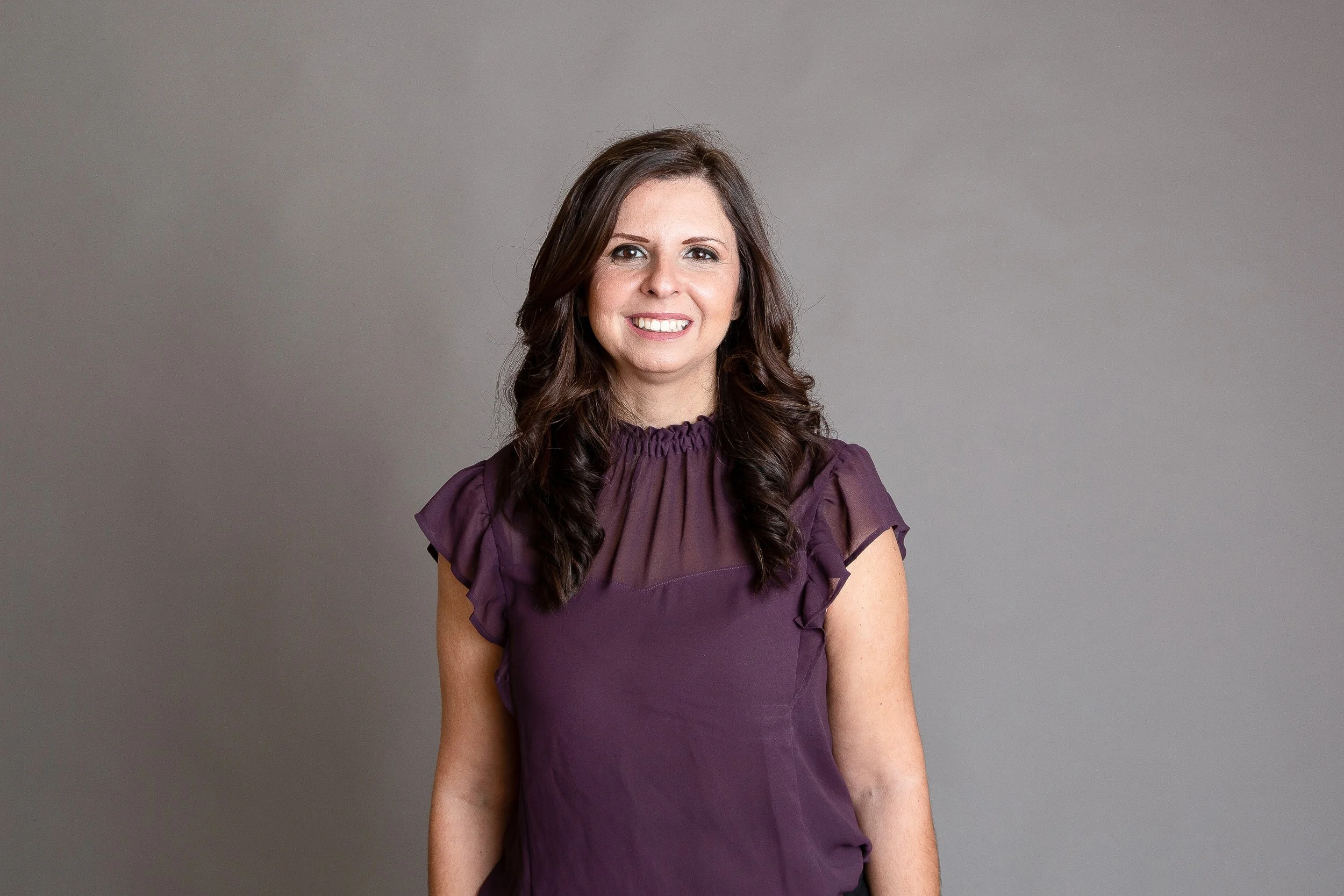
As the CEO and Senior Estate Administrator at ETP Canada, Debbie had worked with many clients who wished that the estate of their loved one was better organized and easier to follow in order to honour their final wishes. While setting out on the task to put together immediate information like financial accounts, insurance policies and operational information for the home, Debbie realized there was so much more information that her family would need to have readily available. In short, she realized. “I was holding all of this (information) in my head without even realizing it”.
-
An End-of-Life Binder is a document that any individual can create as a guide for those they have left behind in order to help them deal with the many details of their life. While not a legal Will, an End-of-Life Binder is created to list the existence and location of documents, social media accounts, subscriptions, etc. so they can be found easily by surviving family members or the Executor. Further, the binder can be used to express one’s final thoughts or wishes regarding their funeral plans or celebration of life.
It is important to note that an End-of-Life Binder is NOT a substitute for a legal Will. All individuals should have a Will in order to legally document the dispersal of their possessions and to make sure their final wishes are followed.
-
Like our guest on the podcast, you can create an End-of-Life Binder entirely from scratch in any format you wish. There are free checklists available online that one can access to lead them to the information they should include. Each person’s binder will be unique to their situation and end of life wishes. There are also many journals and books available for purchase that you can use to record your information.
It is important to share the existence of your End-of-Life Binder and it’s location with the family members, friends or loved ones that need access to the document should you become unable to communicate or your life has ended. It is wise to store your binder in a secure location with other important documents like your passport, birth certificate and a copy of your Will.
“It ended up becoming so much more than the bank statements, it went right down to what kind of values do I have and what would I want to happen to me if something went terribly wrong?”
“When we do not discuss, and we do not have the proper plans in place, our legacy is not all of the years we spent with our families…it’s the experience they have after you die.”
In Conversation

In the winter of 2026, we gathered together a group to discuss End-of-Life Binders. The sharing of thoughts and opinions was informal and unscripted.
Here you will find the thoughtful and personal opinions of everyday people about the purpose and necessity of this document. We also addressed the stigma around death and how this may prevent or discourage one from preparing such a binder.
We are extremely grateful to the individuals who donated their time to this discussion while we explored the concept of an End-of-Life Binder.
As mentioned previously, any binder you create does not replace a legal Will. The group mentioned that an End-of-Life Binder is more personal, readily available and a living document that is easily edited as things change in your life. Your document is in your own words so your voice can be memorialized to clarify your wishes for your funeral plans and to communicate your final words.
At the time of one’s passing there are a number of tasks that loved ones will need to address. Unfortunately, this is also a time when it is very difficult to attend to this responsibility while going through the grieving process. When we discussed the most significant purpose of an End-of-Life Binder, the group felt that this document takes a lot of pressure off of those grieving your loss since you have provided them with all, or at least most, of the information they will need to follow your wishes.
In addition to creating your own personal binder, you may be in the position to assist an elderly parent or other family member in creating their document. The group pointed out that this is a great way to openly talk about death while giving them the peace of mind that their wishes have been documented.
Another reason to create some type of organizer that lists your personal and financial information and your wishes is in the case where you find yourself incapacitated. If you have left a binder of information that can be accessed while you are unable to communicate, those looking after you would know how to access your documents and financial obligations. Your binder could also include your wishes regarding resuscitation or other medical decisions.
Everyone who participated in our group discussions believed that creating an End of Life Binder is an excellent way to assist those you leave behind and to put your mind at ease because your affairs are in order. However, since not everyone has a binder, or has even heard of one, what are the barriers to creating it? The working title for this section, and a common term for this end of life document, is Death Binder. It was agreed that perhaps this title may be a bit off putting for some, especially for those averse to discussing death. Other possible titles for a binder that were offered by the group included, My Life My Wishes, Are My Affairs in Order? and Where Do I Find That?
The task of creating a binder appears quite daunting at the beginning and this may also cause some people to put it off. A group member made an excellent point when she stated that, “unless you have been involved in being an Executor or having someone close to you pass, you may not realize the value of having a binder.”
“A Will is more of a high-level directive. The death binder can get into more details and is more personalized.”
“A binder helps take the guesswork out for your Executor or family.”
“Having a binder takes pressure off of me to assist with my Mom’s death and her wishes. Creating it together can guide you to questions you never thought to ask.”
“It is more than a ‘death’ binder. Critical illness is a case where if someone becomes incapacitated from an accident or illness then if all of the information is there and available so someone can at least carry your life on and make sure everything is still there when you get better, if you get better.”
“To think about our mortality is too uncomfortable and people will often avoid the discomfort.”
Helpful Advice
If you purchase an End-of-Life Binder, that resource will lead you through a table of contents that will prompt you for the information they feel would be necessary or helpful to include. However, if you are starting from scratch to create your own binder, here are some topics that may be helpful to get you started.
We have included links to free organizers that you can access to create your own binder of information in the Resources section. We have also included a link to an online document that you can purchase to help create a personal companion document to your estate plan.
If you are in the situation where you are an Executor carrying out a loved one’s wishes, there is a free Executor checklist in the Resources section as well.
What happens to my online presence?
After you pass away, the responsibility will fall to someone to cancel or close the social media platforms you engaged with in life. It is highly recommended that you have a complete list of the user names and passwords of the online accounts you were using recorded in your End of Life Binder.
Epilogue offers a free "Social Media Will" to help people manage their digital legacy. This online tool allows you to keep a current list of usernames and passwords that you are using on various social media sites. This will make it easier for your loved ones to manage and/or close your accounts.*
A link to this resource can be found in the Resources section of this page.
*The Retirement Years Podcast is in no way directly affiliated with Epilogue. Individuals may use this resource at their own discretion.
-
Personal information
Medical information: medical condition(s), prescriptions
Key contact information: Doctors, Lawyer, business partner, Estate Administrator
Dependents: names and contact information
Important documents: the location of passport, birth certificate, driver’s licence, health card
Financial information: bank accounts, investments
Liabilities: mortgage, loans, credit cards
Commercial/business information
What beneficiaries can expect: subject to the terms of your legal Will
Personal property: vehicle(s), jewelry
Insurance: life insurance policy, car and home insurance
Pets: name of veterinarian, medications, food requirements
Accounts that need to be paid, closed or cancelled
Email and social media: passwords, account names
Memberships: gym, magazines, clubs
Contact information of those to notify of your passing
Personal wishes: subject to the terms of your legal Will
Final words to family and friends
“Planning ahead is the greatest gift we can give those left behind.”
Resources
Organizer 📁
Organizer 📁
Tool 🔧
Tool 🔧
Checklist ☑️
Hospice
Explore the section: In Conversation Helpful Advice Resources
Hospice care is a unique form of care that allows individuals to shape their own experience at the end of their life. What this looks like is different for every person, and hospice organizations are intentional in honouring this.
Hospice organizations are not only a support network to an individual who is dying, but also to their family. Hospice centres are designed as a “home-like environment” and out of a “family-based model”. Staff and volunteers work together to provide care and support during a difficult time that is tailored to patients and families. Family members we interviewed consistently expressed how hospice went above and beyond to meet not only needs, but also to accommodate preferences, for patients and families. Many hospice programs offer services like meal support, transportation, and counselling, helping everyone feel supported and included.
In Ontario, many hospice and palliative care programs are publicly funded, so services are available at no cost to patients and families. Hospice programs in the province are supported by Hospice Palliative Care Ontario (HPCO), a provincial network that connects hospice organizations, professionals, and volunteers while supporting standards of care.
This section holds real, lived experiences individuals have had with hospice care. We interviewed family members who spent time with their loved one in hospice care as well as staff members and volunteers who fulfill a vast variety of roles. The insight they shared spoke to moments of comfort, presence, meaning, connection, and more.
“They even invited us to bring some of mom’s favourite artwork … and they mounted them for us…. And this is the room that she would only be in for, you know, eight days in the end.”
“It’s comfortable. It’s for everyone who wants to come to visit. There are different areas to spend time. You can have a big family gathering meal in a dining room if you wish, and you don’t have to worry about cleanup and prep. It’s meant to be your home, so you can be a family again.”
“We even were able to use an empty room that they happened to have... They’ll do anything. I have dietary restrictions. They made note of those. And the next day, everything I could eat arrived in the food delivery… we are well looked after.”
In Conversation
Why consider hospice care?
“Because it [death] just, it breaks you. But they were there for that.” – Family Member
“Hospices can make a huge positive difference in people’s lives—whether that’s the patient or their loved ones—because people can receive supports in hospice that they might not get in a hospital setting, including more one-on-one support.” – Staff Member
"I felt like I could be there for my father in ways I never would have otherwise been about to... He died with dignity, and I got to have some dignity in the process of it all, which I wouldn't have otherwise had." – Family Member
“...she just really wanted to be closer to family … She needed more around-the-clock care...and the hospice care centre provides that easier." – Family Member
“Death is stressful for everybody, and hospice just made it a lot easier." – Family Member
“It doesn’t matter how long they have left, but they can die with happiness knowing they were in a good place and well taken care of.” – Staff Member

“The resident and the family are able to lead how their end of life is managed.” – Volunteer
“the level of staffing, the level of support, not just for the patients, but for families… The accessibility of the nurses and the PSW, you could always find somebody to help.” – Family Member
“I would highly recommend hospice be considered. I have really never heard a bad thing about the hospice experience.” – Family Member
What do staff do within hospice care?
“They took care of everything, and they explained it in a way where someone like me, who knew nothing about hospice before this, could understand. It was a relief. The only thing I had to focus on was the actual saying goodbye." – Family Member
“They took such wonderful care of her, and they treated her with such respect and so much care...they were so knowledgeable… They were really special people..." – Family Member
“...they were just so generous with not just their time, but their spirit as well. They were so good to us." – Family Member

“...they gave her the chance to die with dignity. I will always appreciate that." – Family Member
“They made a huge effort to make sure that we were comfortable there, and on and on and on. They would mention, while you're here, you know, this needs to be your home.” – Family Member
“We have a wonderful interdisciplinary team, where even though you’re coming for the person to die, we offer spiritual support, and we offer grief and bereavement services after. It’s very different—it’s so heartwarming here.” – Staff Member
“My role is client-centered and focused on providing therapeutic approaches. It can include emotional, psychological, and practical support to residents and their families during end-of-life care… my role is to support families through crisis moments and help them create a calm, dignified, supportive environment for residents… I also advocate for needs, values, and wishes.” – Staff Member
Why do people work in hospice?
“Hospice allows me to show up for people during vulnerable times and offer support, presence, and compassion. I’m drawn to hospice because it values quality of life over quantity. It also recognizes support isn’t just medical—it’s emotional, psychological, and spiritual… Being there can help someone feel supported and pass away with satisfaction that they got the support they needed. I find meaning in sitting with people in their final chapter, supporting families through anticipatory grief, and helping ensure no one feels alone at the end.” – Staff Member
“I am one of those retirees that was looking for purpose after I retired.” – Volunteer
“They have to want to work there, for sure. You can’t just work there because it’s a job - it’s not going to work out for you.” – Volunteer
1. Learn about your options & start the conversation early
Many families expressed that they didn't know what hospice was or how it worked until they were in the middle of a crisis. The hospice staff we spoke with emphasized the importance of connecting with a palliative physician, via a referral from a family doctor, to begin the process.
Helpful Advice
“After someone has passed away, I check in and ask if the family would like me to make a referral for continued support. If they do, I refer them within the organization, and the support continues.”
2. Seek help with paperwork
The healthcare system can be challenging to navigate, but hospice staff and palliative teams are experts at supporting patients and families with the administrative burden. Many families do not realize that this support is available, and struggle through the paperwork while also navigating the emotional weight of their loved one passing away. When beginning the journey with hospice, don’t hesitate to ask staff about the resources and support available — you don’t have to figure it all out on your own.
“And as soon as, you know, they picked up my mom’s body, we were expected to be on our way … It was a little abrupt.”
3. Prioritize "being" over "doing" and utilize the time for family connection
Hospice shifts the focus to a family-based model where the staff takes over logistics and care so you can focus on spending quality time together. Families valued the "quiet time" that allowed them to reminisce, laugh, and hold hands without the stress of caregiving duties.
“Generally speaking, they need to be connected with a palliative physician. When a palliative physician comes in … it’s part of asking those questions at that point … where would you like to be at the end of life, if we can make that at all possible?”
4. Learn about and utilize bereavement supports
Hospice ensures that the care does not end the moment a loved one passes away. Some families noted that the physical transition after a loss can feel abrupt. To bridge this gap, staff offer continued bereavement counselling and referrals to ensure the family is supported throughout their grief journey.
“They did a quick consult with my mom, and then they basically filled out all the paperwork for her, and she was fast-tracked into the hospice in Kingston… They made it quite simple and easy. They took care of everything.”
“People walk in, and, especially the primary caregivers, you see them when they come in, and now they’re able to be the daughter and just be with their mom instead of being everything—chief cook and bottle washer—caregiver for mom, doing everything, shoveling the snow, making sure her pain is under control. She can just come and sit with her mom, which is a gift.”
Resources
With consultation from:


MAID
Explore the section: In Conversation Helpful Advice Resources
Canada
Medical Assistance in Dying (MAID) is a legal medical option in Canada that allows eligible adults to receive help from a medical professional to end their life, under strict rules set out in federal law.
Only qualified health-care providers—physicians or nurse practitioners—can assess eligibility and provide MAID. The process is regulated by the federal government and carried out through provincial and territorial health systems, with safeguards to ensure the decision is informed and voluntary.
A person does not need to be terminally ill to qualify. However, if a person’s only medical condition is a mental illness, they are not eligible for MAID until March 17, 2027.
People can change their mind at any time. Oversight of medications and national policy is handled by Health Canada.
United States
In the United States, medical aid in dying (MAID) is a legal end-of-life option in some states. It allows certain eligible adults with a terminal illness to request medication from a health-care provider that they may choose to take to end their life.
This practice is governed by state law, not federal law. The first U.S. law of this kind was the Oregon Death with Dignity Act, and several other states have since adopted similar laws.
-
A clinician may administer medication that causes death, or
A clinician may prescribe medication that the person takes themselves
-
To qualify, a person must:
Be eligible for publicly funded health care in Canada
Be at least 18 years old and able to make health-care decisions
Make a voluntary request, without pressure
Give informed consent
Have a serious and irreversible medical condition that causes enduring suffering they find intolerable
-
The patient must take the medication themselves
Two health-care providers usually must confirm eligibility
There is often a waiting period between the request and receiving the medication
The patient may decide not to take the medication, even after receiving it
-
While rules vary by state, most require that a person:
Be an adult living in a state where MAID is legal
Have a terminal illness expected to lead to death within about six months
Be mentally capable of making medical decisions
Be able to self-administer the medication
Act voluntarily, without coercion
-
U.S. laws include protections such as:
Only the patient can request the medication
Requests cannot be made in advance directives
Witnesses must be independent
Health-care providers may opt out
The process stops if coercion or impaired judgment is suspected
In Conversation
What’s the Patient Experience?
When we spoke with families of loved ones who had chosen MAID as an end of life option, they shared with us that their loved one experienced feeling empowered and in control under circumstances that were previously leaving them feeling disempowered and not in control, i.e., at the effect of their terminal illness. While death is inevitable, MAID did give patients a choice about how their end of life would go and when their life would end.
“That’s definitely how mom lived her life, too. She did almost everything on her own terms.”
“Because I do wills and estates, I have all kinds of clients who have done this [MAID], and it was sort of a bit shocking to me, the whole concept of, ‘This is the day I’m gonna pass, and can you do the following things for me? I need my house transferred, I need my powers of attorney updated, etc, etc.’ As I dealt with more and more people who chose that option, they seemed to be most empowered about taking control of a situation that they felt like they hadn’t any control over. The people who called me themselves, my clients who were arranging it, felt very much in control of their situations and were very settled and happy that they had the option.”
What’s the Family’s Experience?
Family members shared with us that it was difficult at first to understand or even accept that MAID was the option that their loved one was choosing. One of our interviewees, a lawyer, noted that she observed that sometimes the family members of her clients also struggled a little bit with their loved ones’ choice. They also found it hard at first to know what the date of death would be, counting down the days.
Upon reflection, however, families shared that it was actually wonderful that their loved one got to experience all of the love that poured out of extended family, friends, and the community which they would not have been able to experience if they had made a different choice and the celebration of life was held after death instead of prior to it. Being surrounded by family, celebrating their loved one, having their loved one be an active participant in the celebration, was a profound experience for families when the time came.
“It did seem to me that the people around them kind of struggled maybe a little bit.”
“It wasn’t that I didn’t think she was making the right choice, it’s just kind of hard on the rest of the family because [we were] literally counting down to what the day is.”
“It was just the best possible version of a very sad story, you know? Obviously, really sad to see her go, but just being surrounded by family and so forth, I was like, ‘That’s how I want to go,’ you know? It’s kind of the best case.”
“When you do a celebration of life and you think, ‘Oh, so-and-so would have loved this!’ but of course, that’s the person you’re celebrating, and [mom] got to see this stuff, see the cards and see the outpouring of love - it was beautiful. I thought, ‘If I was in that situation, that’s pretty much how I’d want to go, with my family singing songs with me and celebrating.’”
What to Expect?
Once a patient chooses MAID, their care plan shifts. Rather than focusing on curative treatment, the medical team’s primary role becomes ensuring the patient’s comfort and supporting their needs at the end of life. This led to some unexpected “perks” for one family’s loved one!
When the actual day for MAID came, families were struck by the compassion and care exhibited by the medical team supporting their loved one in the MAID process. They took the time to ask their loved one if they had any second thoughts or misgivings, if they wanted to change their mind. The doctor asked their loved one these questions three times, and hearing the conviction in their loved one’s answer left the family in awe of their loved one’s bravery.
“The doctors here that do it [MAID] are just the most compassionate.”
“Once that decision is made, it changes the nature of the care. It becomes about comfort rather than trying to treat. Earlier in the week, one of the nurses said, ‘Oh, you can’t have that,’ and then she said, ‘Wait, you’re on MAID, right? Oh, you can have chocolate sundaes the rest of the time if you want!’ It really changes the focus of the treatment to just being comfortable and doing what you want.”
“When the time came, the doctor asked her 3 times, like, very, very clearly, to make sure that she really wanted to go through with it. Said, ‘No problem if you want to back out.’ And each time, she kind of had more conviction. And she said, ‘I very much appreciate that you are helping me do this, that you’re letting me make this choice.’ And there were no tears shed on her end. She was absolutely stoic and strong and happy. And brave. She was very happy that she had this option.”
Helpful Advice
1. Learn what options exist—early and clearly
Many families emphasized that people often don’t know MAID is an option, or misunderstand how eligibility works. Seeking accurate, jurisdiction-specific information early can reduce fear, confusion, and last-minute stress, and helps people make informed choices rather than rushed ones.
“I’m based in California, and they have something similar here, but not as open, and no one knows about it, and so I think it’s just a really amazing option for Canadians to be able to take. There is a Californian version of it, but you basically have to have doctors saying that you’re gonna die in six months, so I think it’s a little bit more strict, and I think it’s pretty unknown.”
2. Remember that the choice belongs to the person who is ill
Family members described how difficult it can be emotionally, but also how important it is to respect the individual’s autonomy. Accepting that this is their decision—even when it’s painful—was seen as an act of love rather than selfishness.
“We were riding her bus, let’s put it that way, and it is hard on the family, because, you know, you’ve got to count down. But you think, ‘It would be selfish to want the person to hang around longer than they want to be around, you know, if they’re the ones in pain.’ And so you do have to kind of accept that, that this is their choice.”
3. Expect the process to be emotionally hard, and plan support for families too
Knowing there may be a timeline can be deeply challenging for loved ones. Families shared that acknowledging this difficulty—and making space for grief, mixed emotions, and support—helped them cope without overshadowing the person’s wishes.
“The more answers people had, the better the journey was.”
4. Seek information, ask questions, and don’t do it alone
Families consistently noted that the more answers they had, the better the experience was for everyone involved. Conversations with healthcare providers, palliative care teams, or educational events helped families feel grounded and better able to support their loved one.
“There are still people out there who don’t know that it [MAID] is an option, but that conference was excellent. The hospital here puts on this palliative care conference every year for people to get that information, and it was really helpful.”
5. Resist judgment—there is no single “right” choice
Families stressed that MAID is deeply personal. What feels right for one person may not feel right for another, and both deserve respect. Seeing MAID as one option among many—rather than something to be defended or condemned—helped families navigate the process with greater compassion.
“I just want people to know, we don’t want anybody judging whether this is the right situation or the wrong situation. I think it’s absolutely personal to everyone, and some people would think this was not a good idea. Other people think that it’s really super brave, and that they would want to do this if they were in that position. And it just gives options to people.”
Resources
Canada 🇨🇦
Canada 🇨🇦
United States 🇺🇸